
Can Vehicle History Reports Be Trusted?
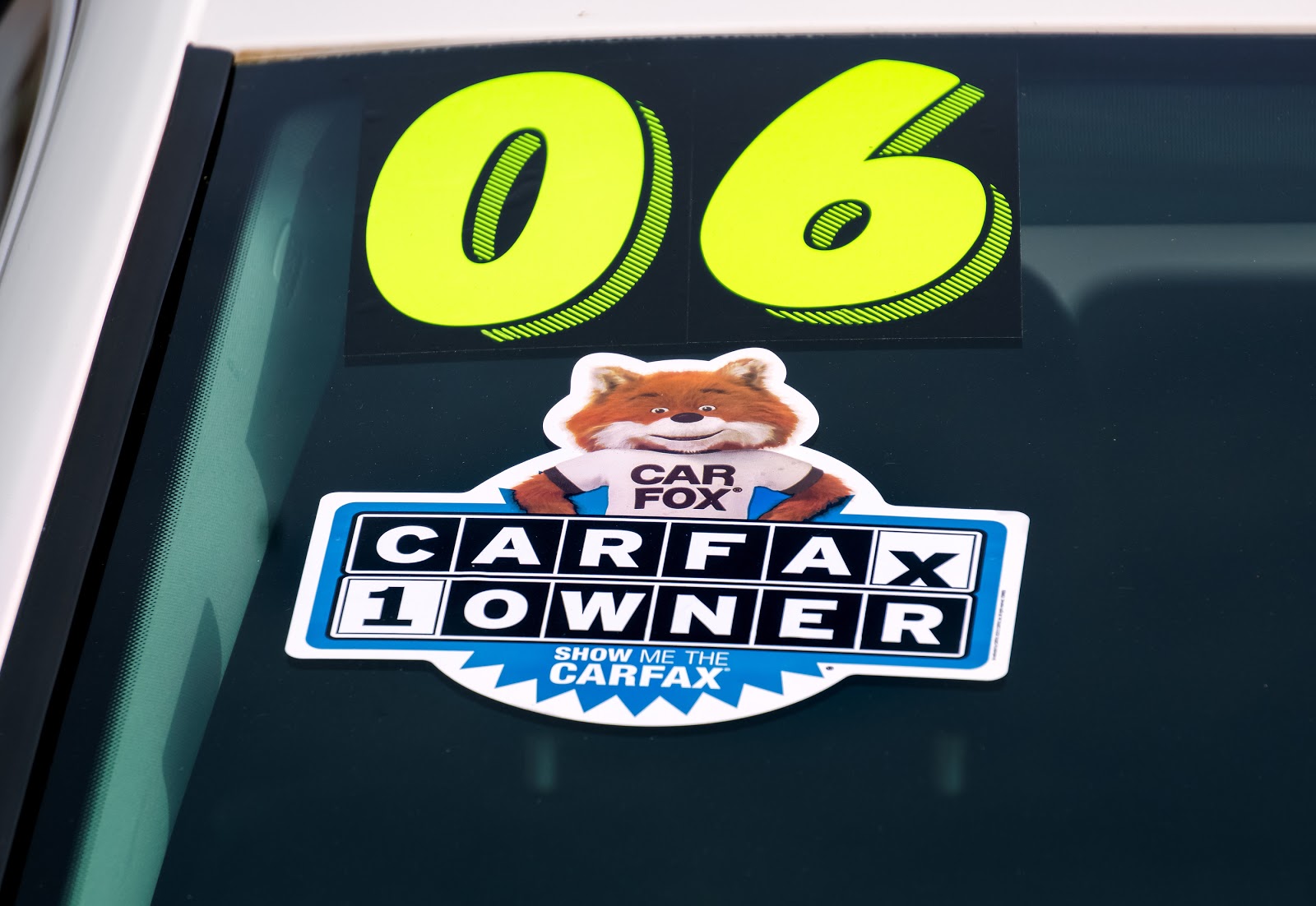
If you have ever purchased a used car, chances are you are familiar with a vehicle history report. Vehicle history reports allow potential buyers to view the repair and accident history of any used car.
At the center of every car’s crash and repair history is the vehicle identification number, or VIN. This 17-digit number acts like a blueprint of a car’s track record. Vehicle history reports rely heavily on VINs to provide consumers with accurate information.
What’s even more useful about these reports is it gives car buyers the ability to see if a car has a ‘title brand’ attached to it. Title brands, or vehicle title branding, is when an insurance company has labeled the car as a complete loss, and that the cost of repairs exceeds the value of the vehicle. Vehicle title branding is mandatory in most U.S. states. Placing this ‘brand’ on a vehicle could mean it was previously totaled in an accident, had extensive water or fire damage, or has been sold for scrap.
For out-of-pocket repairs, some body shops and mechanics don’t report repairs or record VIN numbers, making it difficult for potential used car buyers to see an accurate history report. This means, if a car has had the frame compromised in a negligible accident, you may not ever find out about it.
Even with all of this seemingly useful information floating around, how can you be sure that the vehicle history report you are being handed is factual and dependable?
Hawthorne Auto Square offers a large inventory of used cars, minivans, trucks, and SUVs, as well as a premium inventory of high-end vehicles. Visit our “buy here, pay here” dealership for help finding the vehicle you want and need.
Are Vehicle History Reports Reliable?
One would like to assume that they wouldn’t be duped or taken advantage of when buying a used car. And while that may be mostly the case, it doesn’t stop unscrupulous people from making repairs to a car and keeping it ‘off the books’.
Minor fender benders may not show up on vehicle history reports. This goes for serious collisions too. If the previous owner chose not to contact the insurance company to report the accident, it is unlikely to be reflected in the history report.
According to Consumer Reports, “The (vehicle history) reports were most likely to be incorrect for vehicles that had serious damage, but for various reasons were not declared a total loss.”
This is a little disheartening when you consider what a major purchase a car is. It doesn’t mean that vehicle history reports are totally useless. You can, in effect, use it as a guide to investigate the car further.
Carfax vs. AutoCheck
Carfax and AutoCheck are the top two companies offering reliable vehicle history reports. These services are extremely useful when you’re looking to buy a used car, but they are only as good as the documentation they’re database is provided.
Standing by the quality and reliability of their services, both Carfax and AutoCheck claim that they will buy back any vehicle purchased that wound up being a lemon due to a false report on their behalf. Obviously there are a lot of contingencies with this guarantee, and is more of an incentive to potential customers.
- CarFax – CarFax is arguably the most popular provider of vehicle history reports. CarFax has been in business for 30+ years and is considered the most reliable source for accurate vehicle history reports. Carfax clearly shows ownership history, maintenance records and repair dates. Recently Carfax joined a proactive movement to begin reviewing online ads and auctions in an attempt to crackdown on the sale of previously wrecked vehicles. While Carfax is the pricier option, at $39.99 for a single report, Consumer Reports tout Carfax as the “most detailed and user-friendly” resource that they tested.
- AutoCheck – Brought to you by Experian, the consumer credit reporting company, is AutoCheck. Not shockingly, AutoCheck takes a credit report approach to a vehicle’s history. They offer a vehicle ‘score’ that falls into a numerical scale. This is an attempt to give users a quick guide to see the ‘score’ of a used car before purchasing it. While useful, it isn’t as detailed as Carfax. But that doesn’t mean it isn’t just as accurate as Carfax. With a price of $25 for a single report, it is the cheaper of the two as well. Some consumers that like to double up on their due diligence opt to get multiple vehicle history reports to ensure they are properly vetting a vehicle before buying it.
After reviewing multiple review sites and mulling over hundreds of consumer testimonials, it seems that both AutoCheck and Carfax are neck-and-neck when it comes to accuracy. Keep in mind that no report is 100% thorough and factual, but there are some added measures you can take to be a savvy consumer. The National Highway Safety Administration offers a FREE VIN lookup tool that should reveal further information.
Hawthorne Auto Square offers a large inventory of used cars, minivans, trucks, and SUVs, as well as a premium inventory of high-end vehicles. Visit our “buy here, pay here” dealership for help finding the vehicle you want and need.
Get approved
It only takes a few minutes and won't affect your credit.
- Pre-Inspected Cars
- Clean Title
- Under Warranty