
8 Essential Electric Vehicle Maintenance Tips
Key Takeaways
Battery care is crucial — keep charge between 20%–80%, avoid extreme temperatures, and limit quick charging to extend battery life.
Maintain support systems like coolant, brake fluid, air filters, and AC desiccant on the recommended schedule.
Perform regular car maintenance such as tire rotations, wheel alignments, wiper fluid refills, and underbody cleaning.
Don’t forget home EV charger upkeep — clean regularly and replace worn outlets or modular components as needed.
Electric vehicles (EVs), compared to gas automobiles, are generally simpler to maintain. There are fewer moving parts and no exhaust, fuel injection or pumping, or ignition components to replace on a regular basis. Routine oil changes aren’t necessary—but this is just one advantage of electric cars. However, there are several types of EV maintenance that you should know about.
Use the Battery Wisely
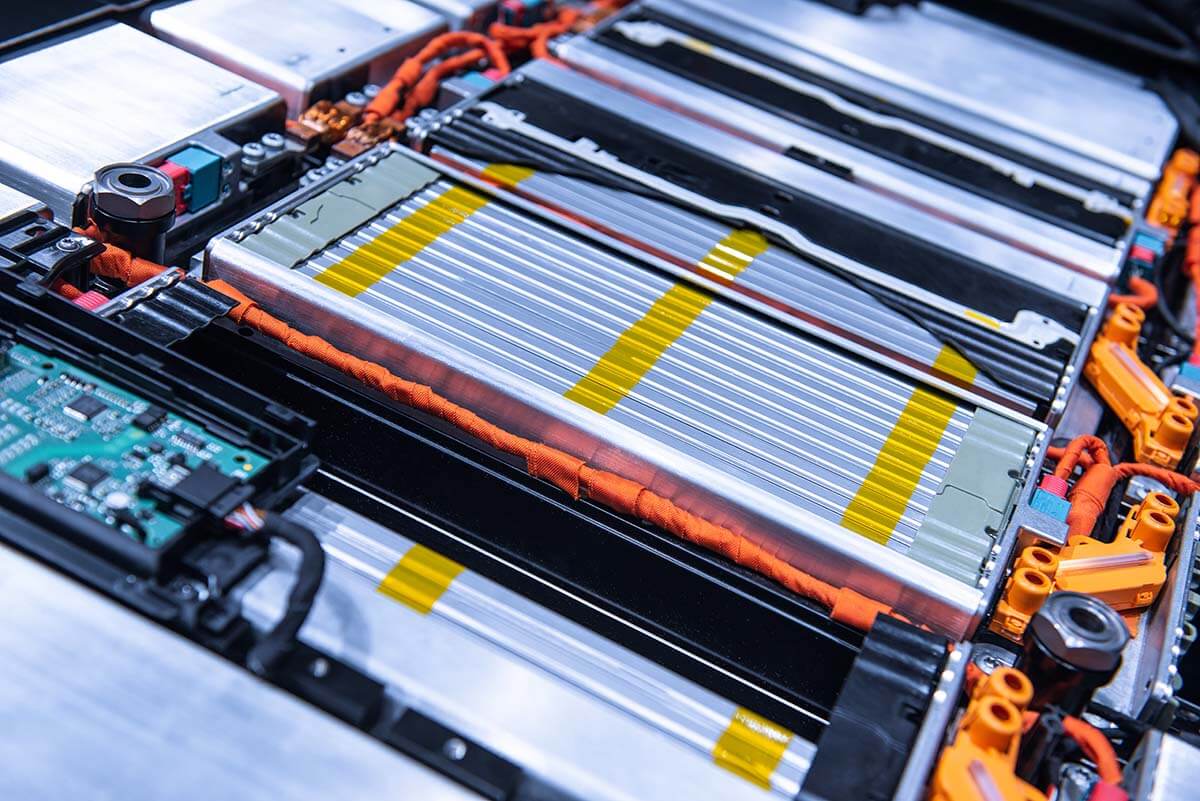
The most important, and expensive, part of an EV is the battery pack. Regular service and good care can get your battery to the 100,000-mile mark and beyond. These are some of the most important tips in caring for your electric vehicle’s battery.
- If possible, keep the battery at between 20% and 80% of capacity; charging it to 100% every time can reduce its operating life.
- Leaving a battery uncharged can be detrimental; don’t park the car at a low state of charge for a long period of time.
- Avoid leaving an EV parked in the hot sun, as this can damage the battery; it’s best to park in the shade.
- Leave your car in the garage when it’s cold; frigid temperatures can temporarily reduce the battery’s range.
- Don’t use the quick charge feature too often, as it can reduce the battery’s lifespan by years.
Other ways to protect the battery include avoiding aggressive braking, driving over rough terrain, or charging in direct sunlight. Timing your battery charge helps avoid overcharging or undercharging it.
Check the Coolant System
An EV’s coolant system helps reduce battery temperature. Flushing the coolant and antifreeze can help the system last longer. The type of coolant varies with each vehicle, as can the maintenance schedule. You should find this information in the owner’s manual.
Change Brake Fluid
EV regenerative braking systems are designed to last longer and return some energy back to the battery. The brake fluid doesn’t need to be changed as frequently as in a gas car, but it should be checked regularly. A brake inspection/fluid flush is required every three to five years unless the manual says otherwise. But you can still top off brake fluid occasionally and check for leaks.
Replace Air Filters
The cabin air filter should be replaced every 36,000 miles, or in two-to-three-year intervals. It can be done so more frequently if needed; however, HEPA filters may last up to five years. Air filters prevent dirt, road dust and debris, pollen, and other particles from entering the cabin, just like in conventional cars.
Clean the Underbody
Corrosive materials such as road salt, oil, and various chemicals can accumulate underneath the car. Twice a year, flush these using plain water to avoid rust, which can severely damage the vehicle over time. Regular car washes are a good idea as well.
Change the Air Conditioning Desiccant
The AC desiccant absorbs moisture and contains it in the air conditioning system. It can go seven years before being changed but remembering to do so can prevent corrosion. You can also avoid expensive AC component repairs and replacements.
Stick with Regular Car Maintenance
While EVs are different from conventional cars in many ways, they require much of the same maintenance. Therefore, you want to schedule regular:
- Tire rotation: EV tires are typically rotated every 5,000 to 10,000 miles.
- Wheel alignments: An alignment should be performed every 15,000 miles or if you notice the car pulling to one side or shaking at higher speeds.
- Wiper fluid: Change the fluid whenever it runs dry or every 5,000 to 10,000 miles; standard window wiper fluid is most often used.
Maintain Your EV Charging Station
A home EV charging station needs maintenance as well. This includes cleaning it with damp cloths and dish detergent. Level 1 units may require new commercial-grade outlets from time to time, while Level 2 systems have modular components that are easy to replace.
Contact Hawthorne Auto Square
With hundreds of low-mileage, pre-owned vehicles in stock, we provide buyers in Los Angeles with high-quality, well-maintained models. Hawthorne Auto Square is a buy here pay here dealership where you can trade in a vehicle and get its True Market Value®. Contact us to discuss availability and financing options or schedule an appointment.
Get approved
It only takes a few minutes and won't affect your credit.
- Pre-Inspected Cars
- Clean Title
- Under Warranty